Step-by-Step: How to Start a Business in India

India currently offers one of the world's most dynamic consumer markets, driven by rapid digital adoption and robust economic growth.
However, navigating corporate registration acts, tax structures, and early capital requirements can feel overwhelming for first-time founders. Learning **how to start a business in India** successfully requires following a structured regulatory and strategic blueprint. Below is our complete step-by-step guide.

Step 1: Finalize Your Business Structure
Your legal structure determines your liability, taxation levels, compliance requirements, and ability to raise external seed capital.
- Proprietorship: Best for individual freelancers; zero registration cost, but personal liability is unlimited.
- Limited Liability Partnership (LLP): Ideal for professional services partners; protects personal assets.
- Private Limited Company (Pvt Ltd): Mandatory structure if you plan to pitch deck to venture capitalists and issue equity shares.
Step 2: Secure Digital Signatures & DIN
Before filing incorporation papers on the Ministry of Corporate Affairs (MCA) portal, all directors must procure a Digital Signature Certificate (DSC) and apply for a Director Identification Number (DIN). These are mandatory for digital document signatures.

Step 3: Name Approval & Incorporation
Submit your unique brand name for approval via the SPICe+ web form on the MCA portal. Ensure the name is not trademarked. Once approved, submit the SPICe+ form including the Memorandum of Association (MoA) and Articles of Association (AoA) to receive your Certificate of Incorporation.
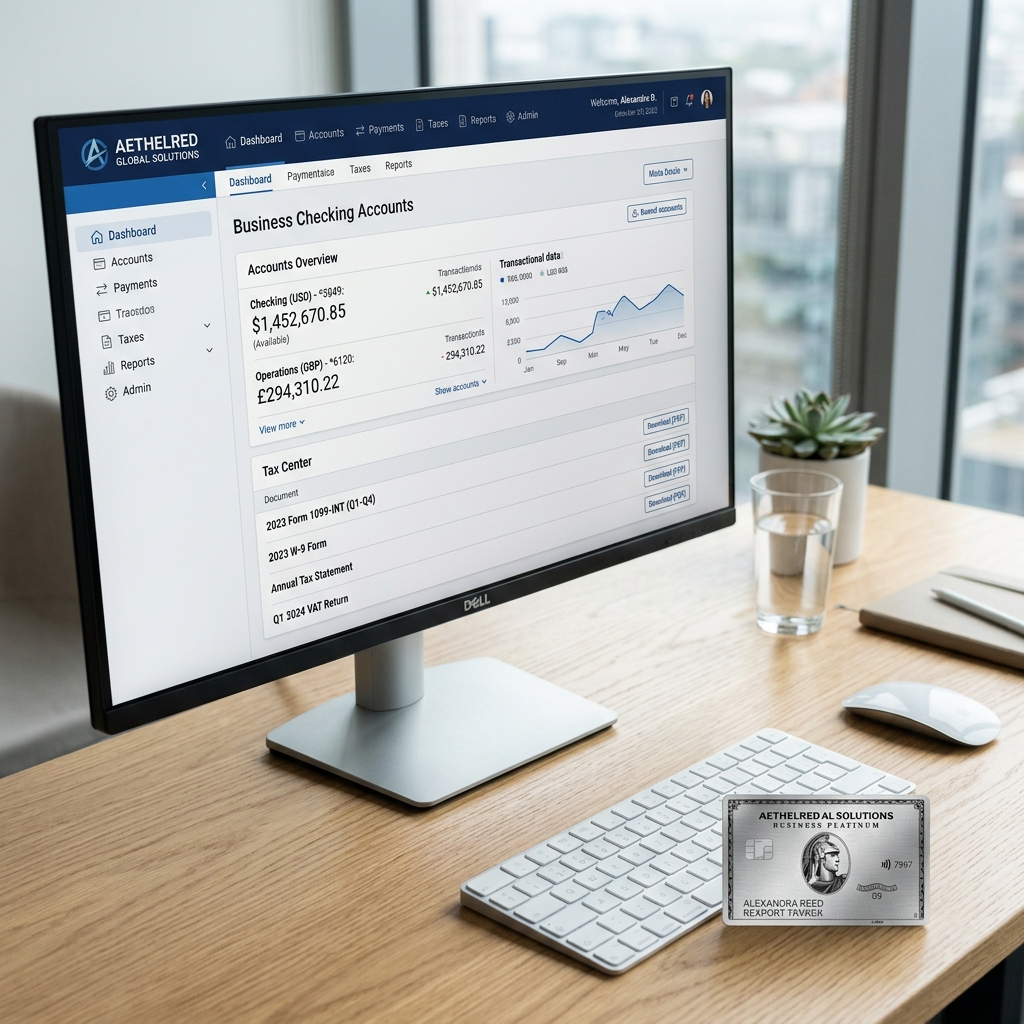
Step 4: Secure PAN, TAN & Bank Accounts
Your incorporation certificate automatically allocates your company's Permanent Account Number (PAN) and Tax Deduction Account Number (TAN). Use these credentials along with your registered office address proof to open a dedicated corporate bank account.
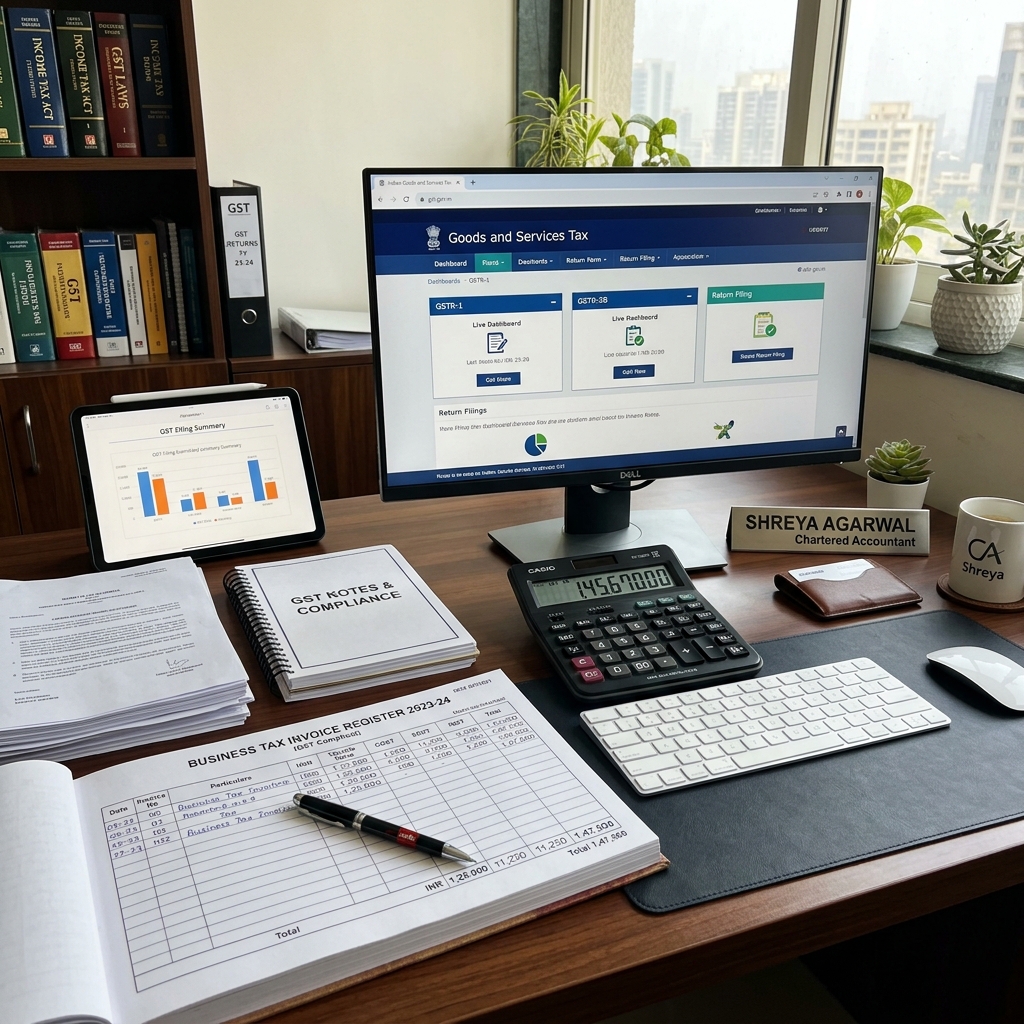
Step 5: Register for GST
If your annual business turnover exceeds ₹40 Lakhs (or ₹20 Lakhs for services), Goods and Services Tax (GST) registration is legally required. However, registering for GST early is highly recommended as it allows you to claim input tax credits on business purchases (like laptops and software).

Step 6: Register under Startup India
Submit your Pvt Ltd or LLP on the DPIIT Startup India portal. Once recognized, startups can access special benefits like tax exemptions for three consecutive years, fast-tracked patent examinations, and relaxed public procurement guidelines.
Accelerate Your Startup Journey
Our business advisory division offers professional startup mentorship, pitch deck engineering, financial modeling, and strategic launch advisory.
Get Startup AdvisoryConsult with Our Mentors
Have questions about LLPs, GST thresholds, or investor pitching? Contact our business strategists today.